Asbestos Removal in Paramount

At Paramount Asbestos Removal, we make asbestos removal quick and easy for homeowners and property managers alike. Our proven methods include a decade of experience, reliable professionals, guaranteed work, and affordable pricing. Call now for a free, personalized quote, no obligation.

For us, every project is unique and we always focus on your home's needs. Whether you are refreshing one unit or preparing a larger renovation, we begin with the building's use and the desired end result. Flooring, ceiling finishes, insulation and exterior materials all get their own place in our careful planning. Scroll down to learn more about asbestos removal and our unique approach.

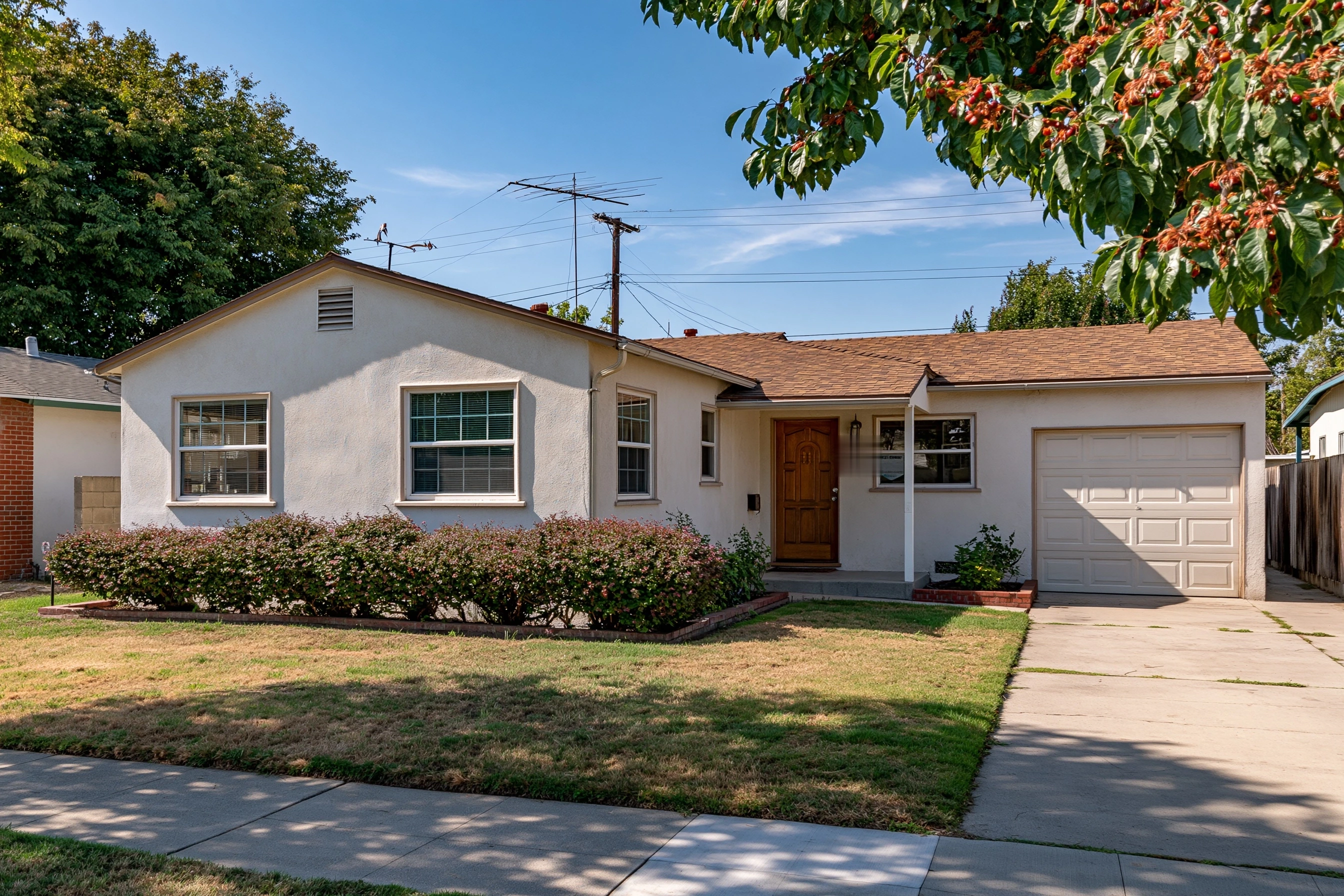
One-story off-white stucco house with a brown shingle roof, a wood front door, a single-car garage, a low shrub bed along the front and a driveway, seen in clear daylight under a leafy tree.
Asbestos testing and surveysPopcorn ceiling removalFloor tile and mastic removalDrywall, joint compound and plaster removalHVAC duct and pipe insulation removalRenovation and demolition abatementMobile and manufactured homes

Our asbestos services

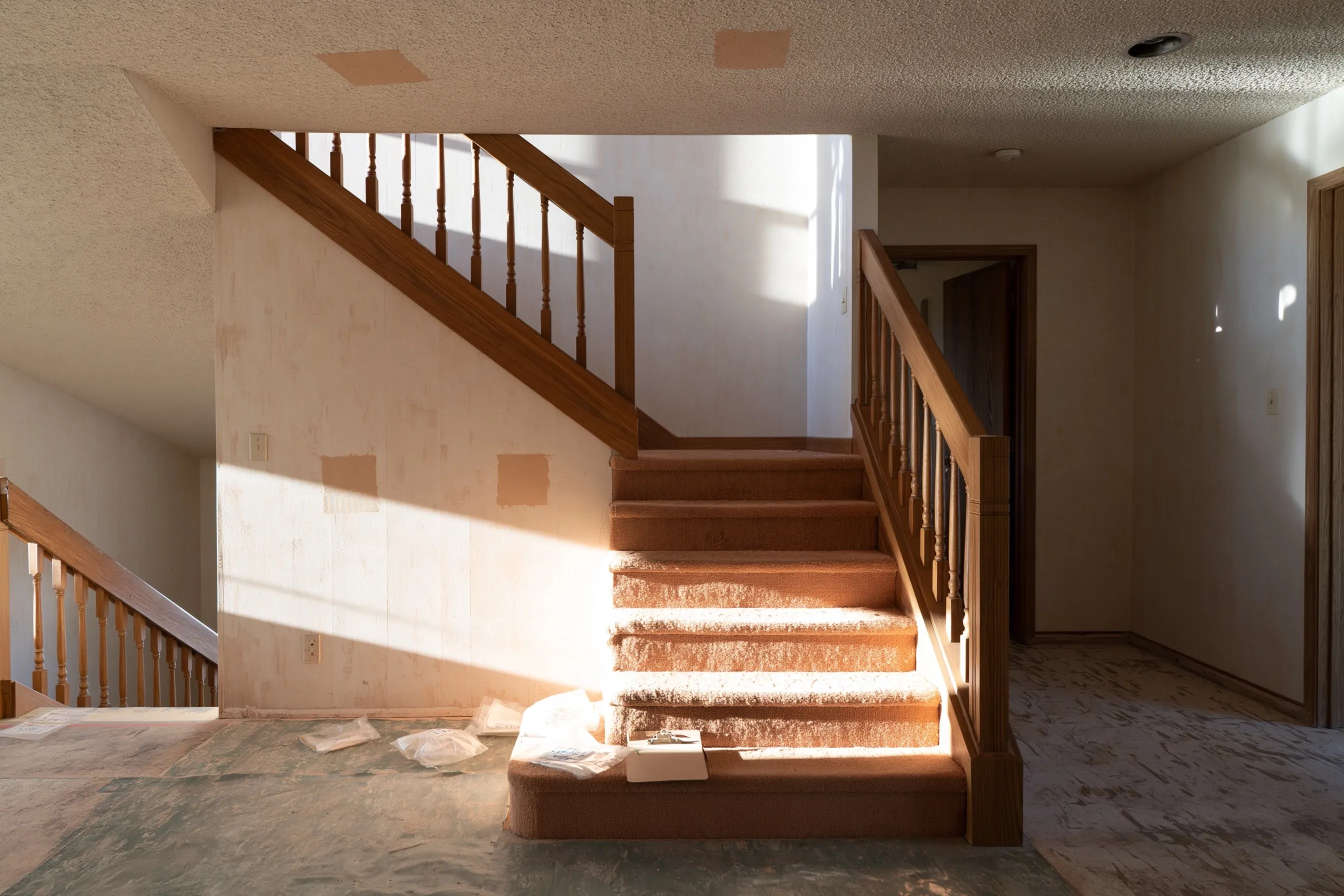
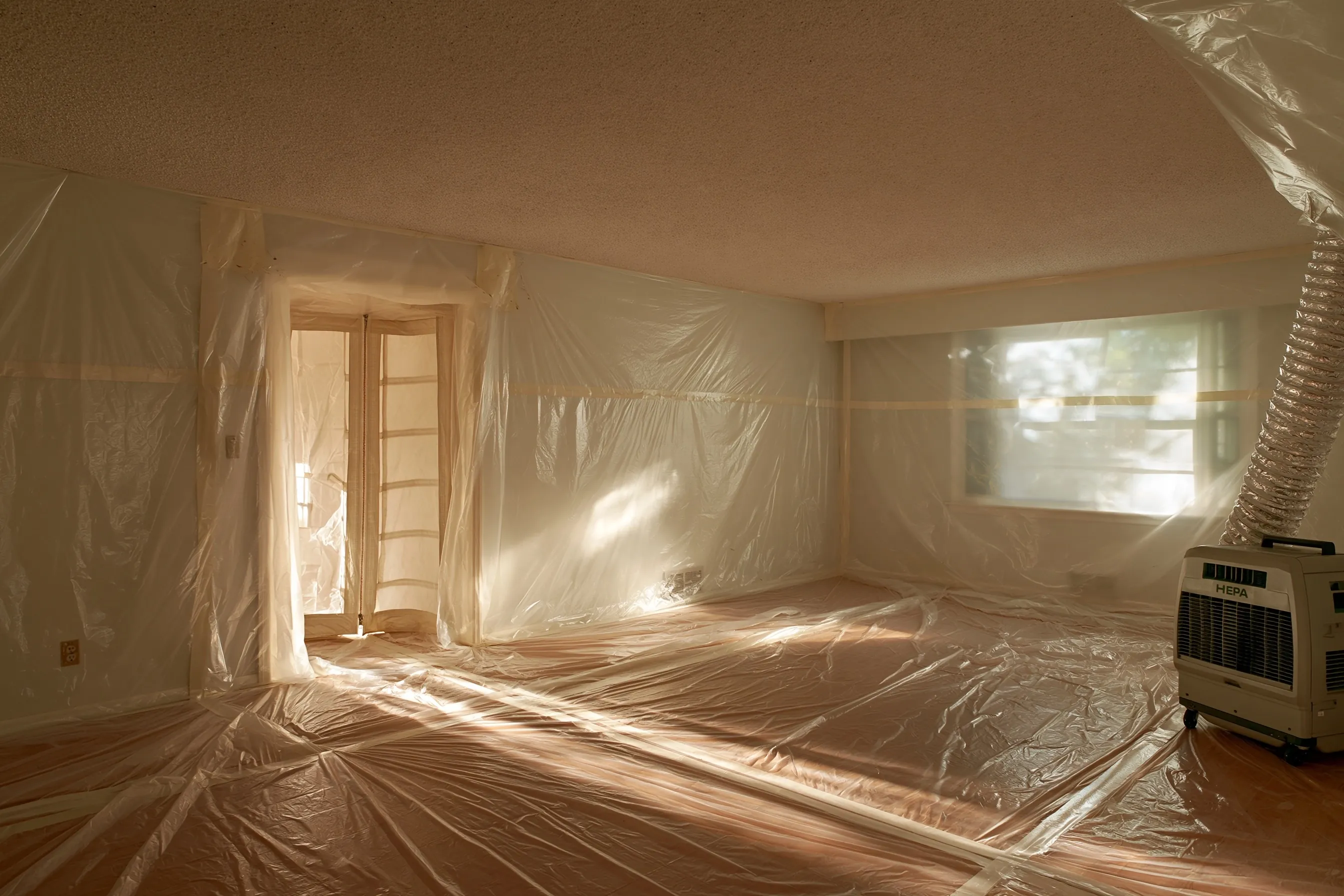
Entry hall of a split-level house with a wood staircase, small orange taped patches on the ceiling and walls, and sample bags and paper on the bottom step.Empty room with the walls and floor covered in plastic sheeting, a textured ceiling above, and a portable air filtration unit with a flexible duct beside a window.

Asbestos testing and surveys

Every job here starts on paper, because the district wants the building surveyed prior to any demolition or renovation, apart from a small-job carve-out for single-unit dwellings. A Cal/OSHA-certified asbestos consultant or technician samples the materials you plan to disturb, a laboratory reads each sample, and the written report names the material, the spot it came from and the result. Our crew then plans around that report.

Popcorn ceiling removal

Before anyone scrapes a textured ceiling, it should go to a lab. A positive sample sends us to work. We close the rooms with plastic, take the texture down and haul the waste out, and patching, new texture and paint are priced as their own job afterward.

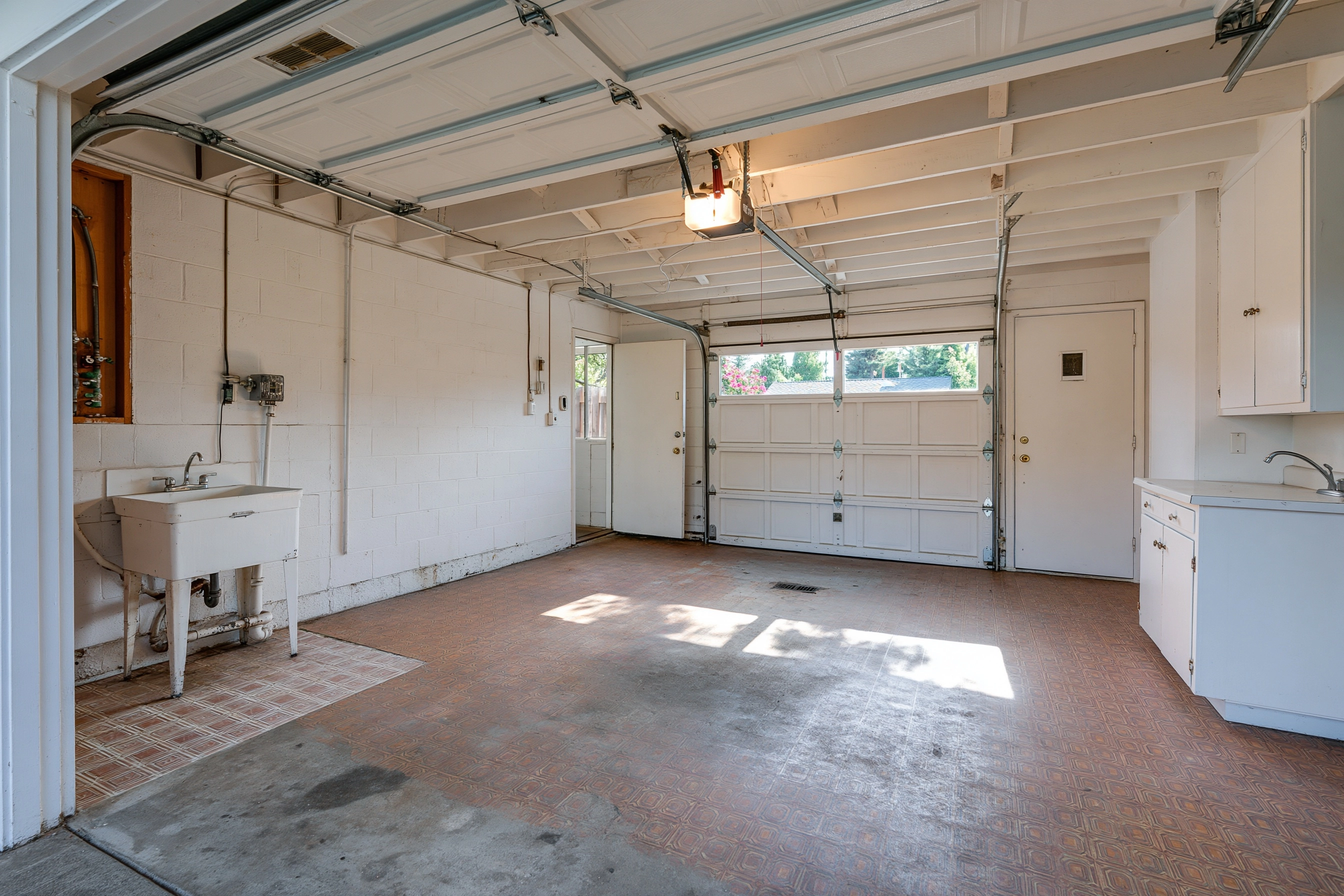
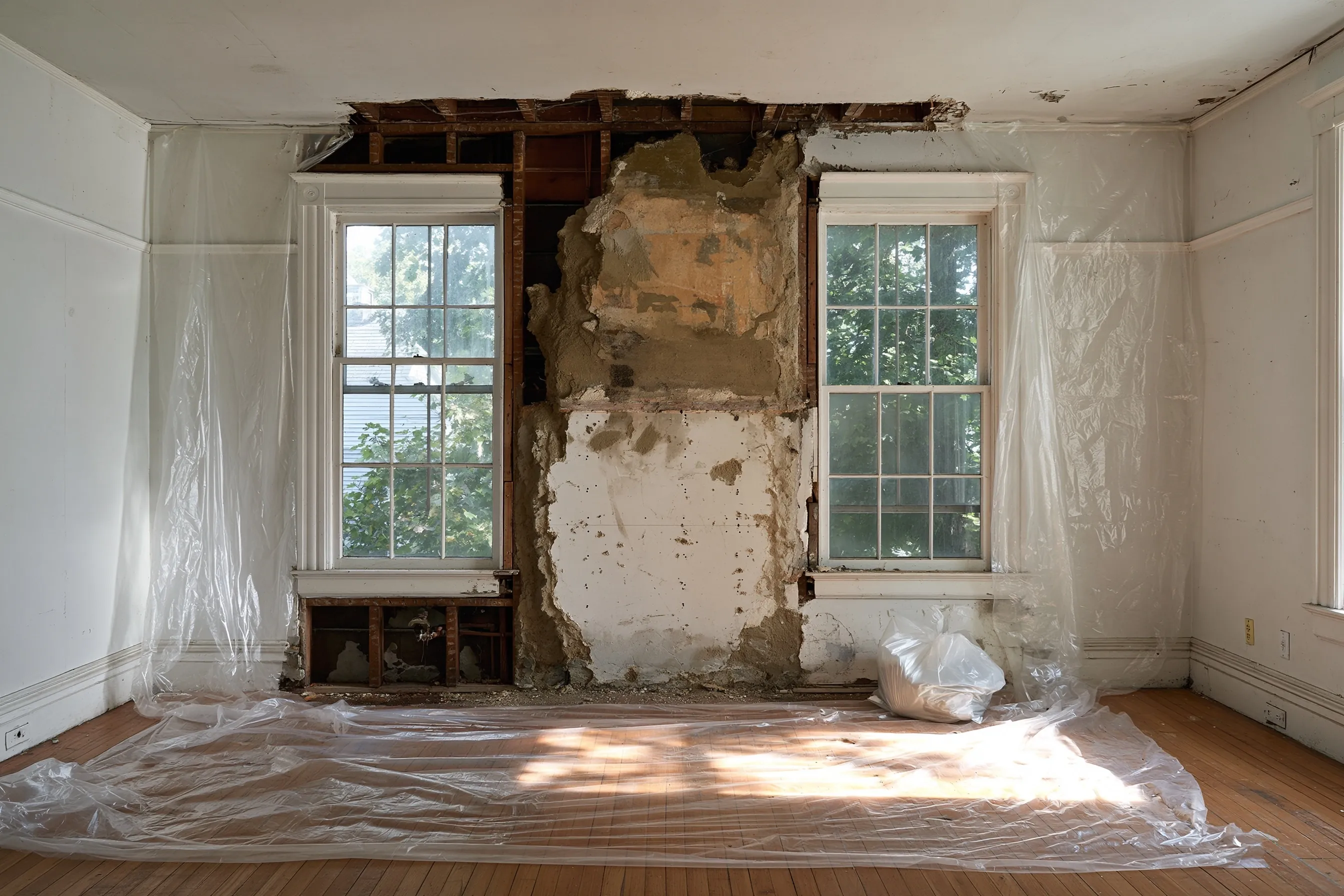
Attached garage with painted block walls, a utility sink on the left, a floor covered in brown speckled vinyl tile with a patterned tile area beside the sink, and a closed garage door.Room with plastic sheeting along the walls and floor and one section of wall opened up to bare plaster and wood framing between two windows, with a bag of debris on the floor.

Floor tile and mastic removal

Asphalt tile, vinyl tile and sheet vinyl floor covering fall under the district rule once the material contains more than one percent asbestos. Because the survey samples every layer of flooring down to the joist, the black glue and any older floor underneath each get a result of their own. Where a layer comes back positive, we lift it and pack the waste for disposal.

Drywall, joint compound and plaster removal

Nobody should open a wall before it is sampled. Joint compound, plaster and drywall are tested, along with the material inside the wall and ceiling cavities, wherever that is necessary to find out what is in them. Material that tests positive is removed behind plastic sheeting before the remodel crew starts, and the waste is bagged for disposal.

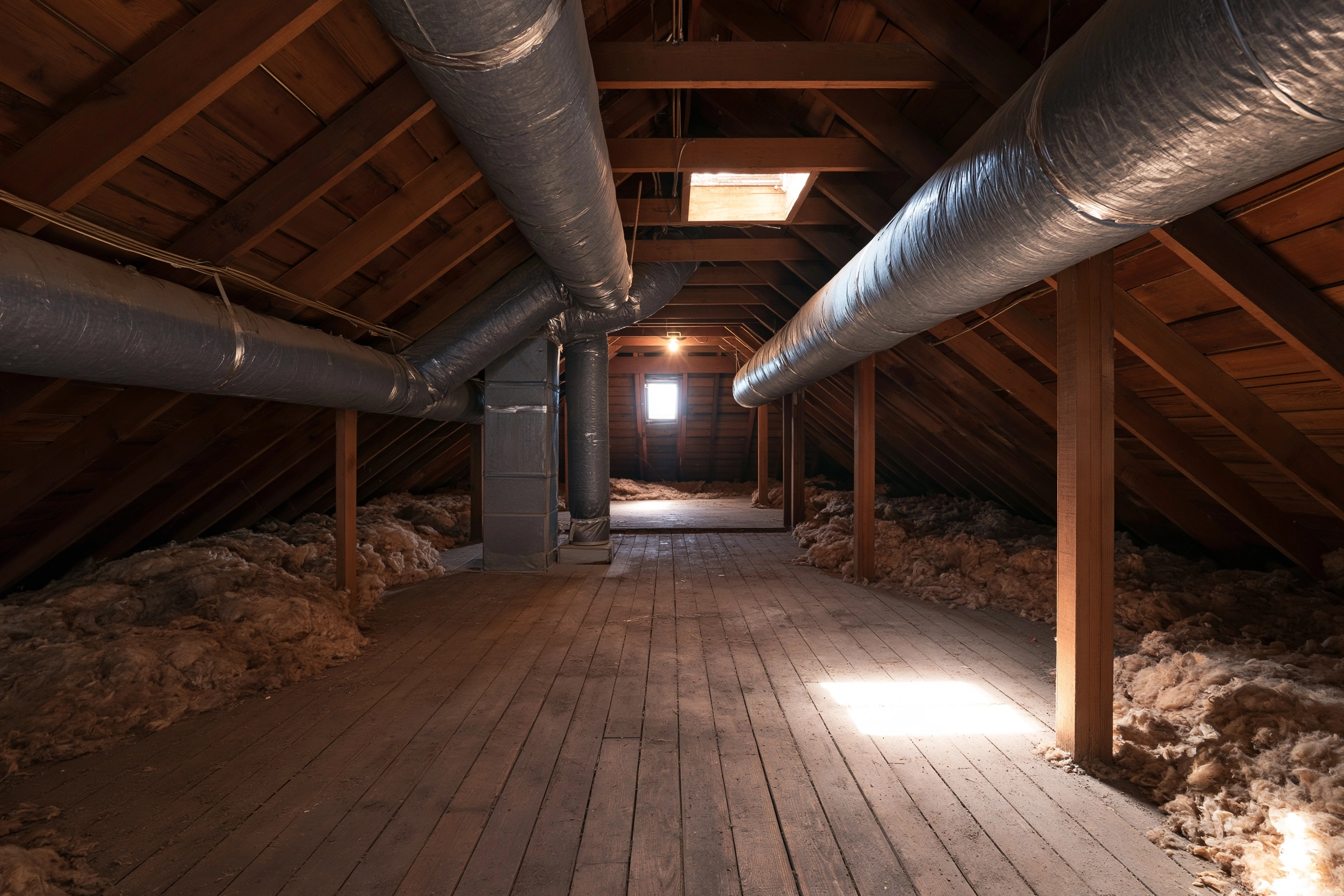
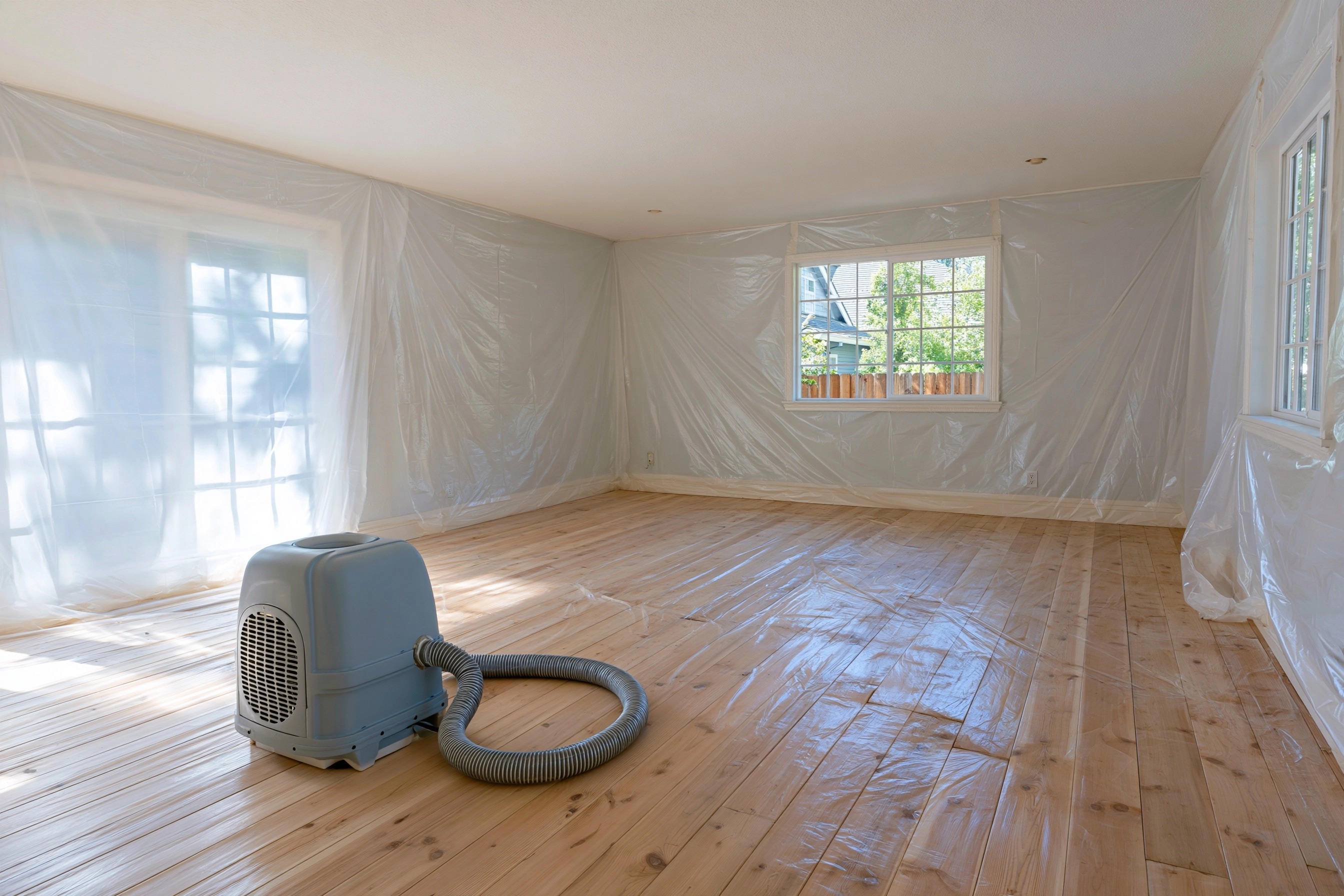
Attic with silver-gray foil-wrapped round ducts running along the rafters, a plank walkway and loose insulation between the joists.Empty room with the walls and windows covered in clear plastic sheeting, a bare wood floor and a light blue-gray portable air machine with a flexible hose.

HVAC duct and pipe insulation removal

Changing out a furnace or air conditioner is renovation in the district’s eyes, so duct wrap, tape and pipe insulation get sampled beforehand. Positive material comes out of the attic or furnace closet inside a sealed work area. Replacement ducts and equipment are quoted on their own.

Renovation and demolition abatement

Take out a bearing wall and the district calls it demolition, which brings a notice to the district. Ahead of a remodel or a teardown we remove the material that tested positive and file that notice online, so your builder or demolition contractor starts with the paperwork already in hand.

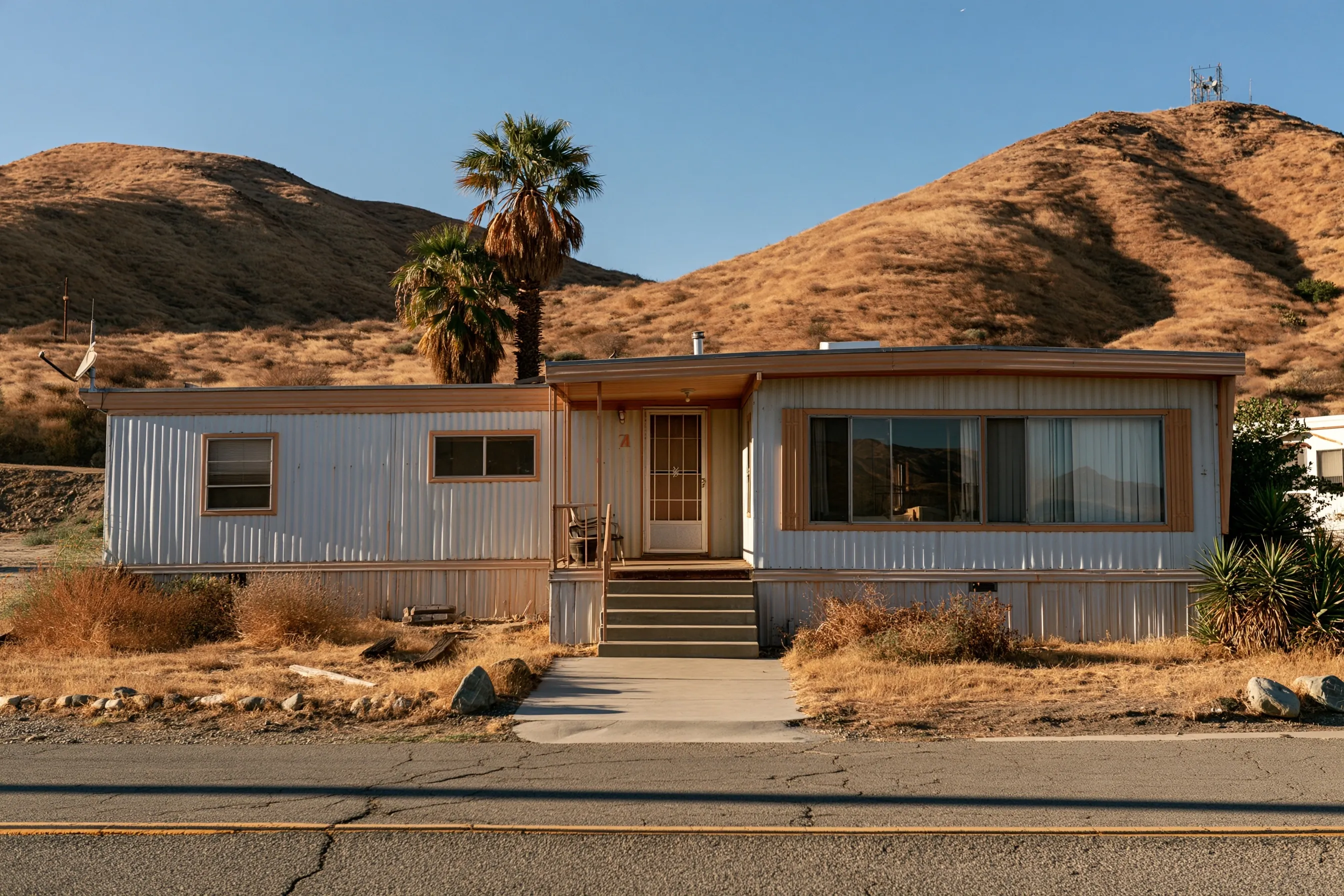
Long, low manufactured home with corrugated metal siding, wood porch steps and a window with curtains, with a palm tree and dry brown hills behind it.

Mobile and manufactured homes

Nothing in the district rule sets manufactured homes apart from houses. A mobile home gets the same steps as any other building, from the survey through the district notice to the waste manifest, and we work inside one the way we work in a house.

Asbestos testing and removal costs

More than 6 in every 10 Paramount homes were built before 1980, making asbestos a common issue in our community. Our price ranges cover hired labor, materials, containment, lab fees and disposal for typical jobs in Paramount, Downey and Santa Fe Springs. Expect the low figure for a small job with easy access, and the top for bigger areas, occupied buildings, second stories or extra air tests.

Asbestos testing and surveys

  • Testing for a small remodel, a few samples$400 – $800+
  • Whole-house survey before a remodel or demolition$600 – $1,500+
  • Air test after removal (clearance)$400 – $1,000+
What is included

Sampling by a Cal/OSHA-certified consultant or technician, an accredited lab reading of each sample and one written report. The air test after removal is run by an independent consultant.

Get a free quoteSee an example project

Popcorn ceiling removal

  • One room, about 150–250 sq ft of ceiling$1,500 – $4,000+
  • Several rooms, about 600–1,000 sq ft of ceiling$4,000 – $9,000+
  • Whole house, about 1,200–2,000 sq ft of ceiling$7,500 – $17,000+
What is included

The room covered in plastic with air filters running, the texture soaked and scraped into bags, a final cleanup and the haul. Skim coating, new texture and paint are extra.

Get a free quoteSee an example project

Floor tile and mastic removal

  • One bathroom or laundry floor, up to about 100 sq ft$1,200 – $3,000+
  • Kitchen floor, about 200–300 sq ft$2,000 – $5,000+
  • Several rooms of flooring, about 1,000 sq ft$5,000 – $12,000+
What is included

The work area sealed, tile or sheet vinyl lifted, the black mastic beneath removed where it tested positive, bags hauled out and the room cleaned. A new floor is not included.

Get a free quoteSee an example project

Drywall, joint compound and plaster removal

  • One wall or a new doorway, under 100 sq ft$1,200 – $3,000+
  • One room of walls, about 350–450 sq ft$3,000 – $7,000+
  • Whole-house walls and ceilings, about 1,500 sq ft home$15,000 – $40,000+
What is included

Plastic containment and air filters, the wall or ceiling material that tested positive removed wet, bagged and hauled, then a cleanup. New drywall and paint are separate.

Get a free quoteSee an example project

HVAC duct and pipe insulation removal

  • Duct wrap at the furnace or a few duct joints$1,200 – $3,000+
  • All attic ducts in a house, removal only (new ducts extra)$2,500 – $6,500+
  • Pipe or boiler insulation, up to about 50 ft$1,000 – $2,500+
What is included

A sealed work area in the attic, closet or pipe run, positive wrap or tape removed and bagged, and a cleanup. New ducts or insulation are a separate price.

Get a free quoteSee an example project

Renovation and demolition abatement

  • Kitchen or bathroom remodel, one or two materials$2,000 – $5,500+
  • Whole-house remodel or teardown, several materials$15,000 – $40,000+
What is included

The positive materials come out before the remodel or demolition crew begins, with containment, disposal and a cleanup. The survey and the district notification fee are billed on top.

Get a free quoteSee an example project

Mobile and manufactured homes

  • One mobile home room or bathroom floor$1,200 – $3,000+
  • Single-wide ceilings or floors throughout, about 600–900 sq ft$3,500 – $9,000+
  • Double-wide, several materials before a remodel or removal$8,000 – $20,000+
What is included

Test results reviewed first, then a sealed work area and wet removal of the floors, ceiling coating or other materials that tested positive, bagged disposal and a cleanup. The survey and any district notification fee are billed on top.

Get a free quoteSee an example project

Stucco removal

  • Stucco around one window or door$1,200 – $3,000+
  • Stucco on one wall or an addition, about 200–400 sq ft$3,000 – $8,000+
  • Stucco on a whole house, about 1,500–2,000 sq ft of wall$15,000 – $40,000+
What is included

Plastic around the work area, positive stucco cut out wet, bagged and hauled, and a cleanup. New lath, stucco or siding is not included.

Get a free quote

Cement siding removal

  • Cement siding on one wall or a garage, about 200–400 sq ft$2,000 – $5,000+
  • Cement siding on a whole house, about 1,500–2,000 sq ft$11,000 – $24,000+
What is included

Whole pieces taken off by hand and kept wet, wrapped and sealed, then hauled with a cleanup of the grounds. New siding or roofing is extra.

Get a free quote

Ranges are 2026 estimates, not quotes. Call today for a free, personalized quote.

Manufactured home ceilings and floors

About one Paramount home in ten, 9.9 percent, is a mobile home. The ceilings, floors and wall surfaces of a manufactured home are materials like those of any house, and a survey samples the ones a project is going to disturb, so the answer for each comes from a lab.

A manufactured home gets treated the way a ranch house does, since the rule has no exception for it. A survey is done prior to any demolition or renovation, subject to the small-job carve-out for single-unit dwellings explained below, and it reaches each layer of flooring, all the way to the joist, as well as whatever the wall and ceiling cavities hold, wherever that is needed to find out what is in them.

The Cal/OSHA line does not move inside a manufactured home. When a job involves 100 square feet or more of asbestos-containing material, the employer whose crew does the work has to apply for and obtain a registration from the division before any of that work starts, and the registration is valid for one year.

What the city says about demolition

The city’s Building Safety Month post says its Building and Safety staff work with the South Coast Air Quality Management District. It also says that demolition work involving asbestos must follow strict protocols, with two stated purposes, to prevent air pollution and to protect landfill integrity. That is the backdrop for the steps below.

Separately, Rule 1403 requires the district notice, and we file it online. It is due no later than 10 working days before the demolition begins and it is accompanied by a district notification fee. Renovation work that removes less than 100 square feet of asbestos-containing material falls outside the notice rule, whereas a demolition never falls outside it.

Landfill integrity is where the waste rules come in. California treats friable asbestos waste as hazardous waste, because the toxicity limits apply to asbestos in a friable, powdered or finely divided state, so that waste leaves your property with a manifest and a hauler that takes hazardous waste.

Demolition permits have a notice attached. South Coast AQMD points to state law here, under which whoever applies for the permit shows the city’s Building and Safety office the notification that went to the district. Your address may add steps, so confirm with the district or the building department.

Housing in Paramount

Half of Paramount’s homes were built in or before 1971. Another way to see the same stock is by the 1980 mark, and more than 6 in every 10 homes in Paramount fall before it, with about 14 percent from before 1950.

The stock is a mix. By the numbers, 52.7 percent of Paramount housing is one-unit homes, 9.9 percent is mobile homes and 28.3 percent sits in buildings with five or more units. The district rule covers any residential structure or building, so each type is covered.

Age alone does not decide whether a building gets a survey. The district rule has no build-year cutoff, so a newer apartment building and an older house fall under the same survey rule.

Rentals and small apartment buildings

More than half of Paramount homes are rented, 57.0 percent in all. A landlord or property manager may be responsible for a rented house or for an apartment building, and the rule treats those two differently in one respect, which is the survey carve-out.

The test for the survey carve-out is whether the building is a residential single-unit dwelling, and apartment buildings, townhouses and condominiums are not. A renovation there never gets the carve-out for removing less than 100 square feet. A rented house does count as a single-unit dwelling, so a small renovation of one can.

For a landlord, the notice question has its own answer. No notice is needed in any type of building, rented or not, when a renovation takes out less than 100 square feet of asbestos-containing material. That small job still follows the work practices and waste rules, and lab results are how a landlord learns the amount to begin with.

Our process

01

Survey and samples

First comes sampling by a Cal/OSHA-certified consultant or technician, then a laboratory result for every sample. The survey report records what was sampled and where. It is the document we use to decide which materials have to come out before your remodel or demolition can begin.

02

District notice and the crew

A job that needs a district notice gets one from us, filed online no later than 10 working days before the start, together with the district notification fee. At 100 square feet or more, the employer needs a Cal/OSHA registration and the contractor needs the C-22 or ASB certification.

03

Removal, clearance and waste

The last step is the removal itself. We seal off the work area, take out whatever tested positive and bag the waste. Friable asbestos waste goes by California’s hazardous waste rule with a manifest, and an independent consultant, not our own crew, runs the clearance air test when the work is done.

Serving Paramount, Downey and Santa Fe Springs

We also serve Downey and Santa Fe Springs. Call us for confirmation if your address is outside the area.

Frequently asked questions

Can I remove asbestos myself?

The district advises against it, citing potential asbestos exposure and cross contamination. The rule does include a provision for an owner-occupant of a residential single-unit dwelling, the person who personally conducts a renovation activity at that dwelling. Four conditions come with it. The owner lives in the house. The house is not vacant. It is not a rental or a business. And the owner personally performs the renovation, not laborers, friends or family. Asbestos-containing waste that ends up outside the house remains subject to the rule, and the provision does not reach demolition. A rented house misses it, because the provision is for an owner who lives there and does the work. Samples are not something to take yourself.

How do I check a contractor?

Begin with the California Contractors State License Board and ask for the license number. Then look for the C-22 Asbestos Abatement classification or the ASB certification, since a contractor shall not take on asbestos-related work involving 100 square feet or more unless it holds that classification or its license qualifier passed the asbestos certification exam. Ask twice, once about the license and once about the C-22 or ASB, because a general license alone does not cover work at that size. Finish by asking the employer for its Cal/OSHA registration.

What affects the cost of asbestos removal?

The honest answer is that several things move the price. Three count. One is the amount of material, another is how easy the work area is to reach, and the third is whether anyone lives in the building. Testing, removal and the independent air test are separate steps. If a notice is needed, the district also charges a notification fee that depends on how much asbestos is removed, and it does not count the notice as received until the fee arrives. Call us for a free, personalized quote.

Does a small job need a district notice?

Small jobs get two separate carve-outs, and they differ in reach. The notice carve-out applies to a renovation that takes out less than 100 square feet of asbestos-containing material, in any type of building, while a demolition always needs a district notice. In both cases work practices and waste rules still apply, and lab results are how you learn the amount. The survey carve-out is narrower, covering only renovation of residential single-unit dwellings where less than 100 square feet is removed or stripped.

Who does the air test after removal?

Not the crew that removed the material. An independent consultant does the air test, because California rules keep contractors from offering health and safety consulting or doing any asbestos risk assessment, clearance air monitoring included. If you want the district’s view on a particular address, the asbestos hot line is (909) 396-2336.

Request a free asbestos removal quote

We recommend calling, but do feel free to contact us using this form. We'll get back to you with a free, personalized quote or additional questions as soon as possible. We're here to help.

Call (562) 635-8371

Call (562) 635-8371